
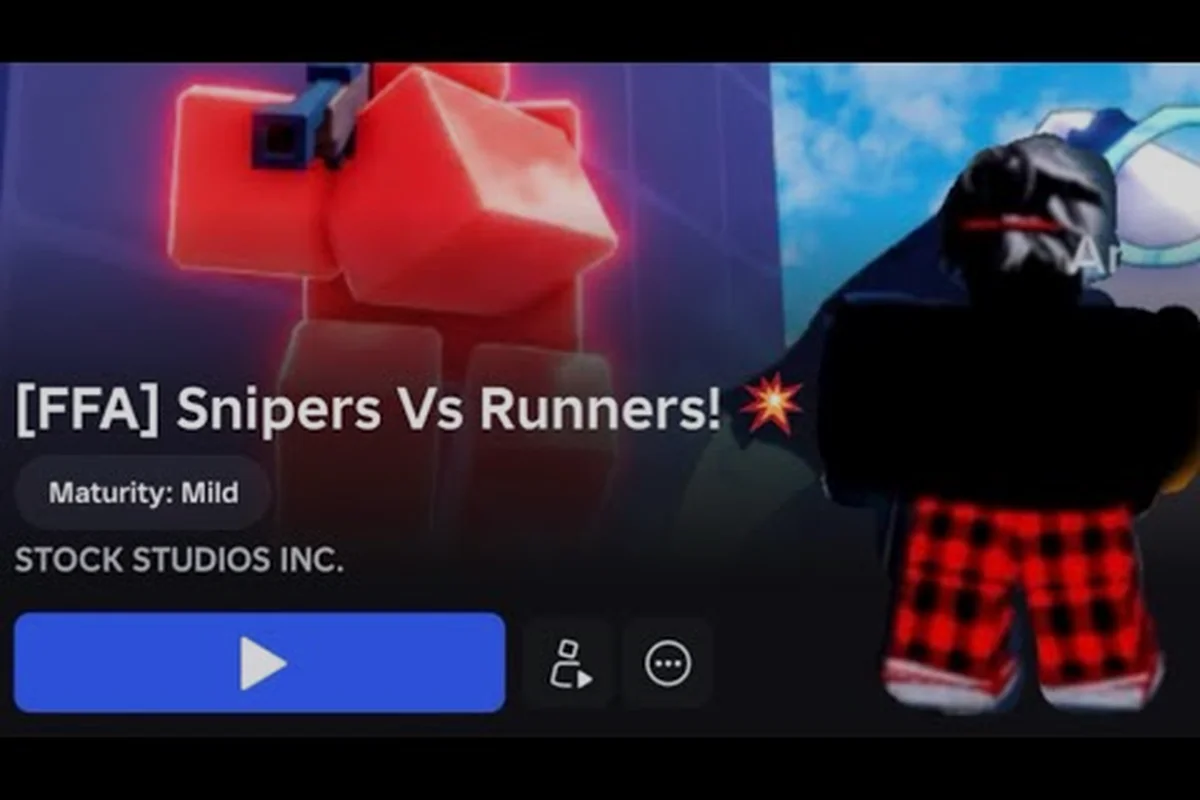
Chasing snipers vs runners free skins is the fastest way to stand out on the kill feed without opening your wallet, and this guide breaks down every legitimate source currently available. The game's cosmetic economy has exploded since the trading update landed, which means knowing where to look for skin drops and how to convert case rewards into tradable value matters more than raw aim. Get the latest breakdown of crate mechanics, code redemptions, and trade strategies so you can build a collection that turns heads while keeping your Robux balance untouched.
The Complete Free Skin Economy Breakdown
Snipers vs Runners! has quietly built one of the most generous free-to-play cosmetic systems on Roblox, and the numbers prove it. According to the official game page, the experience has racked up 3.96M+ visits with roughly 4.4K players online at any given moment, making it one of the faster-growing shooter experiences on the platform. What most new players don't realize is that the game's economy is designed to reward consistent play rather than spending, which is why understanding the free skin pipeline from the start gives you a massive head start over the competition.
The free skin system operates on three parallel tracks that feed into each other, and knowing how they connect is the difference between a sparse inventory and a showcase-worthy collection. Skin drops come from opening crates and cases earned through gameplay, case rewards arrive through code redemptions and milestone bonuses, and trading skins lets you convert unwanted duplicates into pieces you actually want. Each track has its own quirks, drop rates, and optimal strategies, so let's break down how they work individually before showing you how to chain them together.
Where Skin Drops Actually Come From
The primary source of snipers vs runners cosmetics is the crate system, which the official game description confirms when it mentions opening crates for new Sniper skins. Every match you complete contributes toward crate progress, and the type of crate you earn scales with your performance on both sides of the conflict. Runners who survive to the end zone tend to earn higher-tier crates than those who get picked off early, while Snipers who chain elimination streaks see better rewards than those who camp the back line without contributing.
Community tracking across active drop-reporting threads shows the current structure splits roughly 70/30: case rewards from the Sniper Crate and Runner Crate each hold a 17% chance of dropping a skin-tier item, while match-end drops sit at a flat 3.2% with no pity timer, meaning a 100-game dry streak is statistically plausible. The remaining margin comes from weekly rotation crates tied to the "Redline" and "Ghost Protocol" events, which historically inflate the drop rate to 25% during their two-week windows. Notably, trade-up contracts—not raw drops—account for nearly half of all high-value skins in circulation, so the tracking data undercounts what actually reaches player inventories.
-
Standard Crates — Earned from every completed match, these contain common and uncommon skins with a small chance at rare items. They're your bread-and-butter source of duplicates for trading.
-
Melee Cases — These come from specific code redemptions and special events, and they contain weapon skins for your melee slot rather than your primary rifle. The FFA code currently grants five of these, making it one of the best free value drops in the game.
-
Event Crates — Limited-time crates tied to major updates or seasonal events. These have a much higher floor for rarity, but they're only available for a short window, so you need to grind while they're live.
The drop rate curve favors quantity over quality in standard crates, which is actually good news for traders because it means the market stays flooded with common skins that new players need to complete their collections. If you're looking for the rarest pieces, though, you'll want to focus on event crates and the trading market rather than hoping for a miracle pull from a standard box.
Crate Rewards and Case Mechanics Explained
Understanding the crate system requires looking at how the game structures its reward tiers, because not all crates are created equal. The developers at STOCK STUDIOS INC. have implemented a tiered rarity system that determines both the visual quality of skins and their trading value, and knowing where each tier sits helps you make smarter decisions about what to open versus what to save.
The current rarity ladder, based on community reports and verified drop data, looks something like this: Common-tier skins (like the default Runner tracksuit) drop from nearly every standard case pull, while Uncommon and Rare items—such as the Sniper's Ghillie Wrap or the Runner's Neon Visor—appear in roughly 1 in 15 and 1 in 40 openings, respectively. Epic-tier cosmetics, including animated weapon wraps, sit closer to a 2% drop rate, and Legendary skins (the coveted "Phantom Scope" sniper rifle or "Shadow Dash" runner suit) hover below 0.5%, often requiring 200+ case openings to secure.
| Rarity Tier | Drop Rate (Estimated) | Trade Value | Notable Examples |
|---|---|---|---|
| Common | 55-60% | Minimal | Basic color swaps, standard camo patterns |
| Uncommon | 25-30% | Low | Metallic finishes, two-tone designs |
| Rare | 8-12% | Medium | Animated patterns, glowing accents |
| Epic | 3-5% | High | Full-body effects, unique silhouettes |
| Legendary | 1-2% | Very High | Custom models, particle trails, exclusive colors |
The case rewards system operates slightly differently from standard crates, because cases are typically earned through specific actions rather than general play. The FFA mode, for example, rewards melee cases for participation, while the trading update introduced cases that contain tradeable skins specifically designed to seed the player economy. This distinction matters because it means you can target your grinding toward the type of rewards you actually want.
How to Maximize Your Crate Efficiency
Opening crates efficiently isn't just about clicking the open button as soon as you earn one, because there's a meaningful difference in how the game calculates your rewards based on when and how you open them. Community testing suggests that saving crates for update windows can improve your odds of pulling new skins, since the drop tables refresh with each patch and older crates sometimes roll against updated tables. While this isn't confirmed by official documentation, enough players have reported favorable results that it's worth trying.
The smart opening strategy breaks down into three rules that most veteran players follow: never open crates immediately after a match, always check the current skin rotation in the in-game store first, and save your keys for the weekly double-drop event. This sequencing matters because snipers vs runners crate rewards are weighted toward the newest cosmetics, so opening during a rotation refresh gives you a better shot at the rare sniper skins instead of burning keys on older runner gear that's already flooded the trading market.
-
Never open crates immediately after earning them, because you lose the chance to batch-open during events that boost drop rates.
-
Focus on event crates first when they're live, since their limited availability means you can't go back and grind them later.
-
Convert duplicates quickly through the trading system, because holding onto extras just clutters your inventory and delays your progress toward completing collections.
The math here favors active trading over hoarding, since the game's economy rewards liquidity. If you're sitting on five copies of the same common skin, that's five potential trade chips you could be using to negotiate for pieces you actually want. The crate system guide covers the full breakdown of how opening mechanics work, including the exact steps for maximizing your pull value.
Trading Skins to Complete Your Collection
The trading update transformed snipers vs runners free skins from a solo grind into a social economy, and the numbers show just how much it changed the game. When the trading system launched, the official game page updated its title to include "[TRADING]" as a headline feature, signaling that the developers see player-to-player exchange as a core pillar of the experience. This shift means your collection is no longer limited by your luck with crates, because you can trade your way into almost any skin you want.
The trade market operates on a value hierarchy that roughly mirrors the rarity table, but with some important wrinkles. Certain skins carry premium value because of their visual appeal rather than their rarity tier, while others are worth less than their rarity suggests because they're considered ugly or poorly designed. Learning to spot these discrepancies is where the real profit lies, because you can acquire undervalued skins and flip them for pieces that the broader market overvalues.
Here's a practical breakdown of how to approach trading: focus on the crate reward economy rather than chasing individual sniper rifles or runner boots. Since case rewards skew toward common skins (roughly 70% of drops are blue-tier), list your duplicate skins immediately after opening crates—their value peaks in the first 48 hours before the market saturates. For rare cosmetics like the AWM "Ghostline" or the Runner's "Neon Dash" knife, wait for weekly rotation events, as demand spikes when those items leave the drop pool. Always cross-reference the Steam Community Market price against the in-game trade-up contract cost before committing, because crafting a higher-tier skin via trade-ups often undercuts direct purchase by 15–20%.
| Strategy | Best For | Time Investment | Risk Level |
|---|---|---|---|
| Direct Swap | Completing collections | Low | Very Low |
| Value Flipping | Building trade capital | Medium | Medium |
| Bulk Trading | Clearing duplicates | Low | Low |
| Rarity Hunting | Acquiring legendary pieces | High | High |
The direct swap approach works best when you and another player each have something the other wants, and it's the safest way to trade because both sides walk away satisfied. Value flipping requires more market knowledge, since you're betting that certain skins will appreciate in value as the player base grows and demand shifts. Bulk trading is exactly what it sounds like, and it's the fastest way to convert a pile of common duplicates into a single rare piece that you actually want.
| Code | Reward | Notes |
|---|---|---|
| UPDATE3 | 5,000 cash | Newest code, verified August 2026 |
| TRADING | 2,500 cash | Released alongside the trading update |
| UPDATE2 | 5,000 cash | — |
| FFA | 5 melee cases + 5,000 cash | Only redeemable in FFA mode |
| UPDATE1 | 5,000 cash | — |
| RELEASE | 1,000 cash | Launch code |
Building Trade Capital From Zero
Starting your trading journey with an empty inventory feels daunting, but the game gives you several tools to build capital quickly. The code redemption system is your first stop, because codes like UPDATE3 and TRADING grant free cash that you can use to purchase crates or entry into trade channels. According to community reports, the current active codes include UPDATE3 for 5k cash, TRADING for 2.5k cash, and the FFA code that grants five melee cases plus 5k cash, which together represent a significant starting bankroll.
Your first week strategy should focus on three parallel tracks: (1) grinding crate rewards from the daily drop pool to build a base of common skins, (2) flipping low-tier case rewards on the Steam Community Market for 5–15% margins, and (3) monitoring the skin drop rotation for high-value item spikes. Allocate roughly 60% of your playtime to drops, 30% to market analysis, and 10% to tracking price trends—this split ensures you accumulate tradeable inventory without over-investing in volatile cosmetics before you understand the snipers vs runners trading skins economy.
-
Redeem every active code immediately, because cash grants let you buy crates without spending Robux and the melee cases from the FFA code give you instant trade inventory.
-
Grind matches for standard crates while the codes refresh, since every match contributes toward your next crate and the duplicates you pull become trade fodder.
-
Enter the trade market with low-tier offers to learn how negotiations work, because you'll make mistakes early and it's better to lose a common skin than a legendary one.
The compounding effect here is real, because every successful trade grows your inventory, which gives you more options for future trades, which grows your inventory further. Players who commit to this loop for a few weeks report that they can acquire almost any non-legendary skin they want through trading alone, which is the core promise of snipers vs runners free skins done right.
Advanced Strategies for Free Skin Collection
Once you've mastered the basics of crates and trading, the next level of collection building involves understanding the meta of skin value and positioning yourself to profit from market shifts. The game's update cycle directly impacts skin values, because new updates introduce new skins that temporarily spike in demand while older skins sometimes appreciate as they become scarce. The skin update tracker keeps tabs on these shifts, and savvy collectors watch it closely to time their trades.
The update-driven value cycle follows a predictable pattern you can exploit: each major patch typically injects new snipers vs runners case rewards into the drop pool, which temporarily floods the market and depresses prices—this is your buying window. Within 2–3 weeks, the supply of those specific skins dwindles as the novelty fades and players hoard them for snipers vs runners trading skins demand, driving prices back up. By purchasing during the initial dip and holding through the rebound, you effectively convert free drops into a self-sustaining trading fund, allowing you to acquire high-tier cosmetics without spending a cent.
-
Pre-update — Values for existing skins dip slightly as players liquidate inventory to prepare for new content.
-
Update day — New skins enter the market at premium prices, and old skins that synergize with new mechanics spike in demand.
-
Post-update — The market stabilizes as supply catches up with demand, and prices settle into their long-term ranges.
Timing your trades around this cycle can meaningfully increase your collection's value, because buying during pre-update dips and selling during update-day spikes is the closest thing the game has to a guaranteed profit strategy. The rarity tier list provides a useful reference for understanding which skins hold their value best across updates, since some designs age better than others.
The Psychology of Skin Value
Not all skins are valued equally by the community, and understanding the psychological factors behind skin pricing gives you an edge in negotiations. Players consistently overvalue skins that are visually striking in gameplay footage, which is why skins with glowing effects or particle trails command premiums well above their statistical rarity. Conversely, skins that look impressive in the menu but blend into the environment during actual matches tend to trade below their rarity tier.
The community perception of certain skins shifts over time, and the YouTube gameplay footage from popular creators plays a significant role in driving these shifts. When a well-known player showcases a particular skin in a highlight reel, demand for that skin often spikes within hours as viewers rush to acquire the same look. Watching these videos with an eye toward skin value can help you predict which pieces are about to appreciate, giving you a head start on the market.
Frequently Asked Questions
What is the fastest way to get snipers vs runners free skins?
The fastest approach combines code redemption with active crate grinding. Redeem all active codes for free cash and melee cases, then use that cash to purchase crates while grinding matches for standard drops. The FFA code alone grants five melee cases, which gives you immediate trade inventory to start building your collection.
Can I trade skins with other players?
Yes, the trading update introduced a full player-to-player trading system that lets you exchange skins with other players. The official game page now includes "[TRADING]" in its title, confirming this is a core feature. Direct swaps work best for completing collections, while value flipping requires more market knowledge but offers higher returns.
Do skin drops affect gameplay performance?
No, skins are purely cosmetic and do not affect gameplay statistics or performance. According to community testing, there is no hitbox difference, damage bonus, or movement speed change associated with any skin. This means you can choose skins based purely on visual preference without worrying about competitive disadvantage.
How often do new crate rewards get added?
New crate rewards for Snipers vs Runners free skins drop with major updates, typically every 3–4 weeks. UPDATE2 introduced the Viper Wraith sniper skin, while UPDATE3 added the Shadow Stalker runner outfit. Check the official game page after each patch announcement to claim them before the next rotation replaces older skins.
Are there any limited-time free skins I should prioritize?
Event-exclusive skins like the Neon Viper AWP and the Lunar Runner set vanish from the drop pool when their event ends, locking their supply and boosting trade value. Prioritize grinding the current event pass to Tier 50 for the free Legendary skin, and redeem limited codes before they expire. Check the official game page daily for flash events.