
Sniper
Master the Snipers Vs Runners! Sniper role — sightline hierarchy, target priority, reload discipline and anchor swapping to lock down the finish line and deny every Runner.
Introduction
The Snipers Vs Runners! Sniper category is the full guide to the solitary axis between the Runners and the finish line. As the Sniper you face an entire squad alone, so everything is about leverage: sightline hierarchy, target priority, reload discipline and anchor swapping. This category teaches the three-zone sightline theory (spawn-side chaos, mid choke and final corridor), the target-priority decision tree that tells you who to shoot first, the reload math that keeps you from ever reloading in an open lane, and how swapping between two anchor points defeats pre-fire habits. It also covers the FFA difference, where scattered threats force faster target switching.
Sniper Control Reference
| Zone | Priority | Key Rule |
|---|---|---|
| Spawn-side chaos | Suppress pushes | Slow the early crowd |
| Mid choke | Ability-ready Runners | Deny the crossing |
| Final corridor | Lead Runner | Shoot the closest to the finish |
Sniper Toolkit
Sightlines
Three-zone reading that turns map control into round wins.
Target Priority
The decision tree that says who to shoot first.
Reload Discipline
The rhythm that keeps you never reloading in the open.
Anchor Swapping
Rotating positions so Runners cannot pre-fire you.
Core Mechanics
The Sniper role in Snipers Vs Runners! runs on three-zone sightline theory. In the spawn-side chaos, your job is suppression — slow the early crowd so the map does not open up. At the mid choke, deny the crossing: this is where most rounds end, and your shots here buy time. In the final corridor, shoot the lead Runner first — the one closest to the finish is the one who converts the round. The mechanics that hold it together are reload discipline (never reload in an open lane — slide to cover, break line of sight, re-establish) and anchor swapping (rotate between two anchor points so pre-fire habits fail). In FFA, scattered threats force faster target switching and less forward pushing.
Advantages
Playing Sniper in Snipers Vs Runners! is the highest-leverage role in the game. One good Sniper can lock down the finish line and convert a 1-v-11 deficit into a string of wins, because the entire Runner plan funnels through predictable chokes. The role trains aim, map control and decision-making under pressure — skills that transfer directly to any FPS. You also get the clearest picture of the round: from elevated anchors you see every lane, every pre-aim, every mistake, which makes you a better Runner when the roles rotate. And the asymmetric challenge is genuinely fun: out-thinking a whole squad with one weapon is the appeal.
Challenges
The Sniper role is unforgiving in Snipers Vs Runners!. A single miss at the wrong moment lets the lead Runner through, and with one shot per reload cycle the pressure is constant. You are also the sole target: Runners will adapt their routes, bait your reloads and coordinate crossings specifically to defeat you. The role demands knowledge the game does not teach — the three-zone theory, target priority and reload timing are all community knowledge, so a new Sniper who just aims at whoever is closest will lose rounds. FFA makes it worse by scattering threats and removing the predictable choke flow.
Frequently Asked Questions
Who should the Sniper shoot first in Snipers Vs Runners!?+
When should the Sniper reload?+
What are anchor points in Snipers Vs Runners!?+
How is Sniper play different in FFA mode?+
Quick Tips
Read three zones a round — spawn-side chaos, the mid choke and the final corridor — and shift your attention to whichever one matters right now. Early rounds are about suppressing the crowd, mid rounds are about denying the choke, and late rounds are about the lead Runner at the finish. Knowing which zone to watch is the core of Sniper control.
Always shoot the lead Runner first, because the Runner closest to the finish is the one who converts the round for their team. If no one is close, prioritize ability-ready Runners who could burst through a choke, then bait or suppress the stragglers. Target priority is a decision tree, not a habit — re-evaluate it every single shot.
Never reload in an open lane — slide to cover, break the Runners' line of sight, then re-establish your anchor before re-engaging. Runners time their crossings to the reload window, so an exposed reload invites a coordinated push. Make reloading a deliberate, covered action and the entire round slows to your rhythm.
Swap between two anchor points every few rounds so Runners cannot learn your position and pre-fire it. Sitting in one anchor all game makes your sightlines predictable and your counters easy to route around. Rotate during reloads and after any Runner survives a pre-aimed lane, keeping the whole squad guessing about where your next shot comes from.
Featured
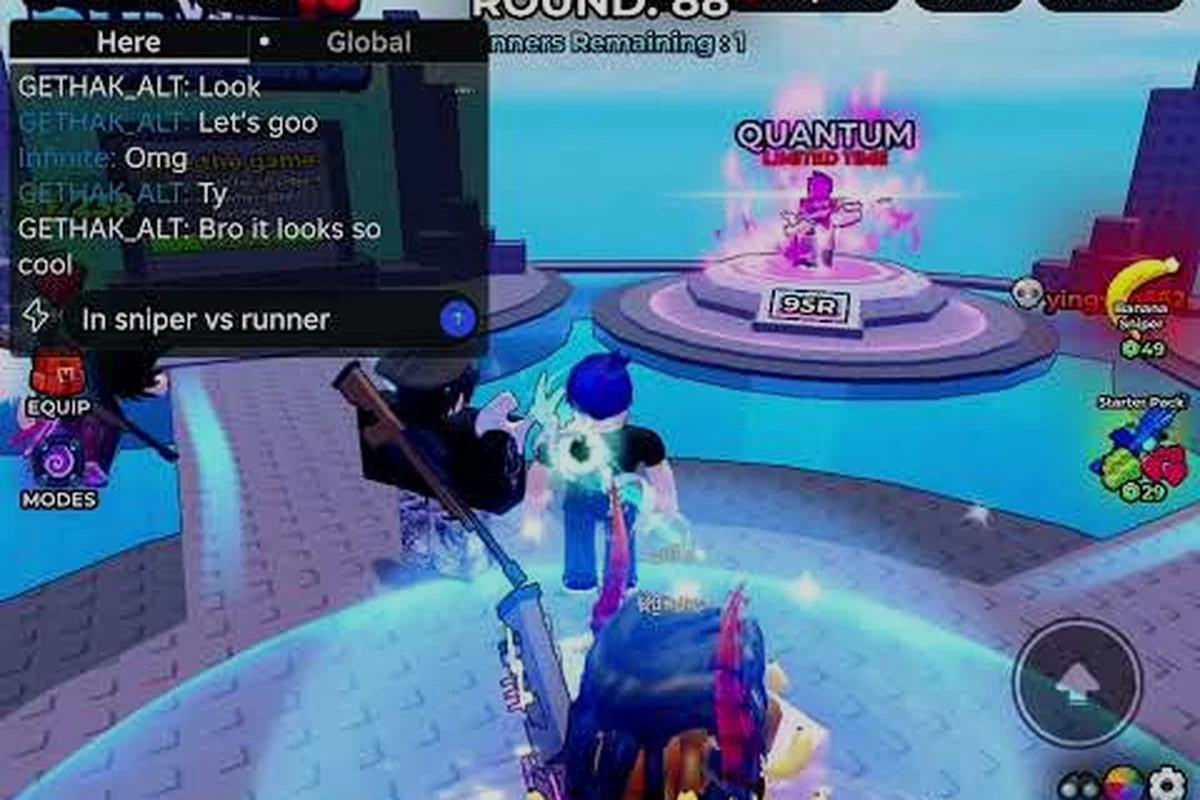
Snipers Vs Runners! Best Sniper Loadout: One Shot Build
Build the snipers vs runners best sniper loadout for one-shot headshots. Get sniper damage stats, weapon picks, and tips for dominating matches.
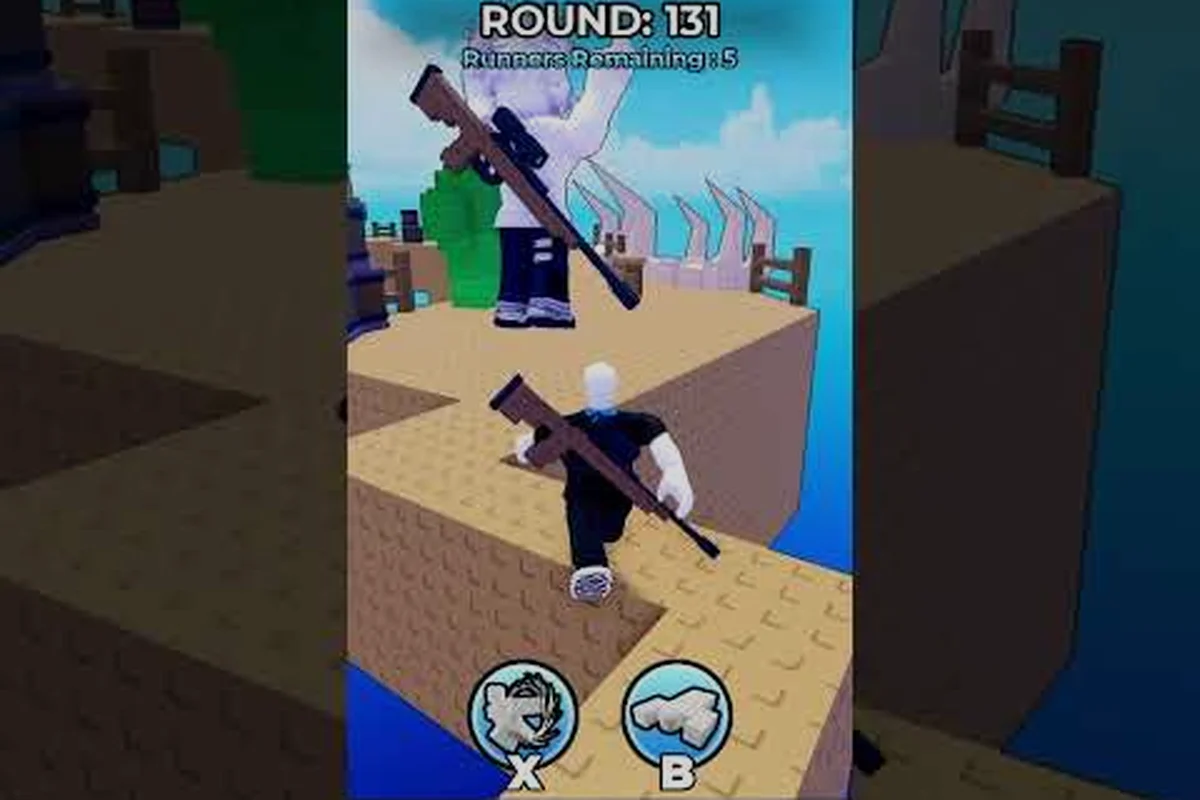
Snipers Vs Runners! Lock Down Map: Sniper Spots and Lanes
Master snipers vs runners how to lock down map with best sniper spots and lanes. Win as sniper by pre-aiming and controlling key positions to dominate matches.
Snipers Vs Runners! Hardscope: Sound Cues & No Scope
Master snipers vs runners hardscope with sound cues and quick scope alternatives. Learn no scope tricks and role strategies to outplay runners in 2026.
All Articles
Snipers Vs Runners! Scope Guide: Sightlines & Priority
Master the snipers vs runners scope guide to control sightlines, choose who to shoot first, and time reloads for consistent sniper dominance.
Snipers Vs Runners! Sniper Cooldown: Kill & Anchor
Master the snipers vs runners sniper cooldown to kill runners efficiently. Control vertical routes, guard the finish line, and swap anchors.
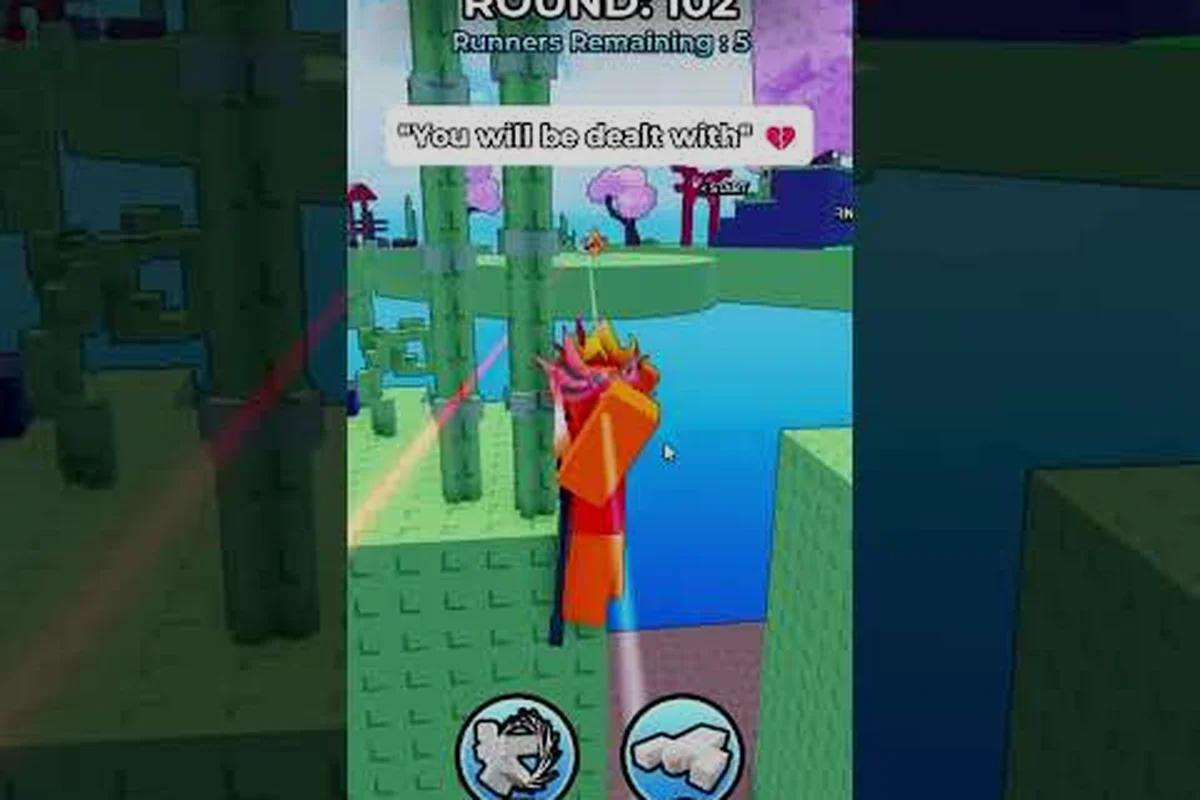
Snipers Vs Runners! Leading Shots: Hit Moving Targets
Perfect snipers vs runners leading shots to hit moving runners. Adjust sensitivity and scope settings for accurate FFA sniping in the 2026 meta.
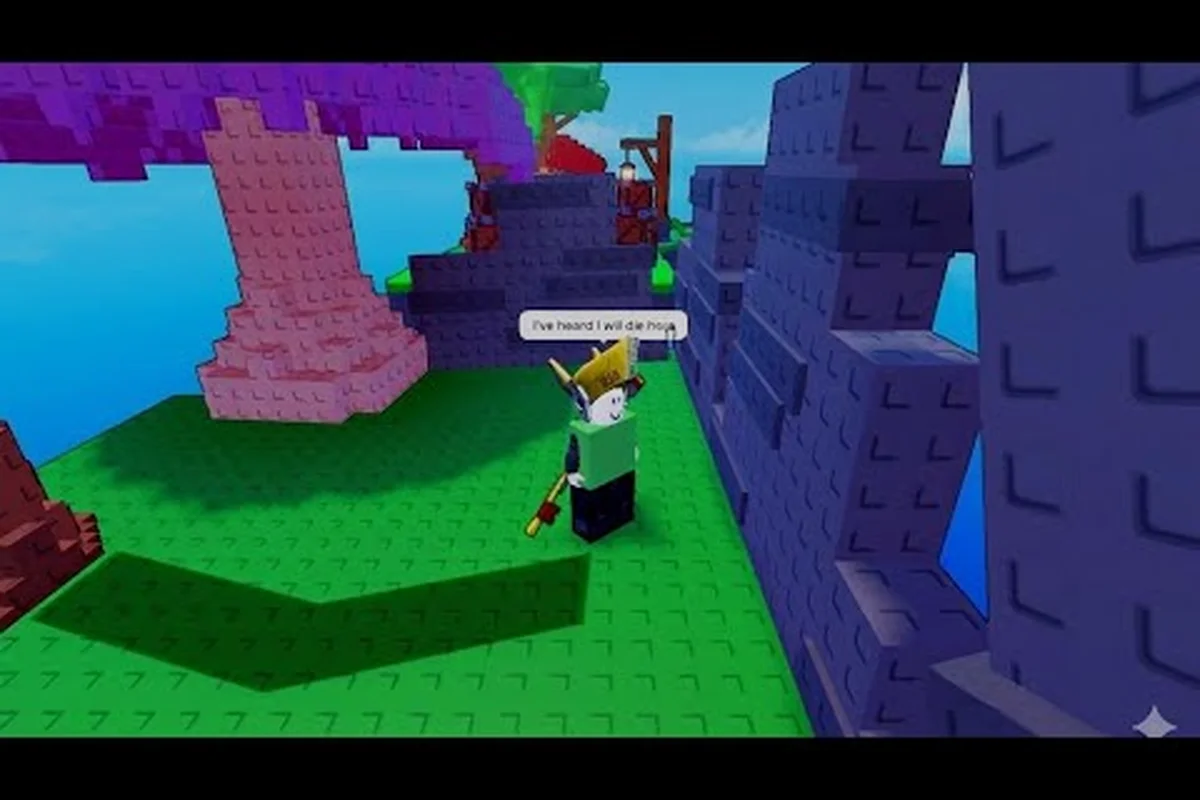
Snipers Vs Runners! Sniper Guide: Aim, Role & Scope Tips
Master the snipers vs runners sniper guide to dominate as the marksman. Learn aiming, scoping, and role-specific tips to secure eliminations and win rounds.